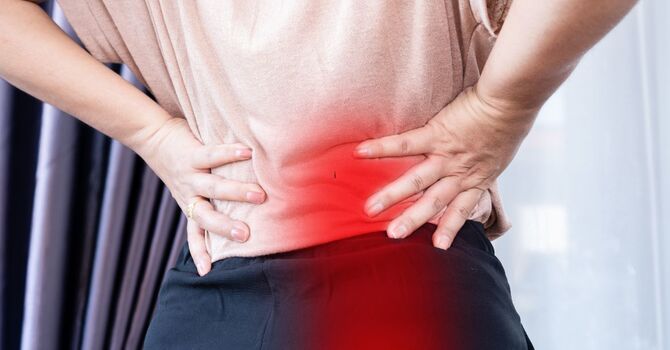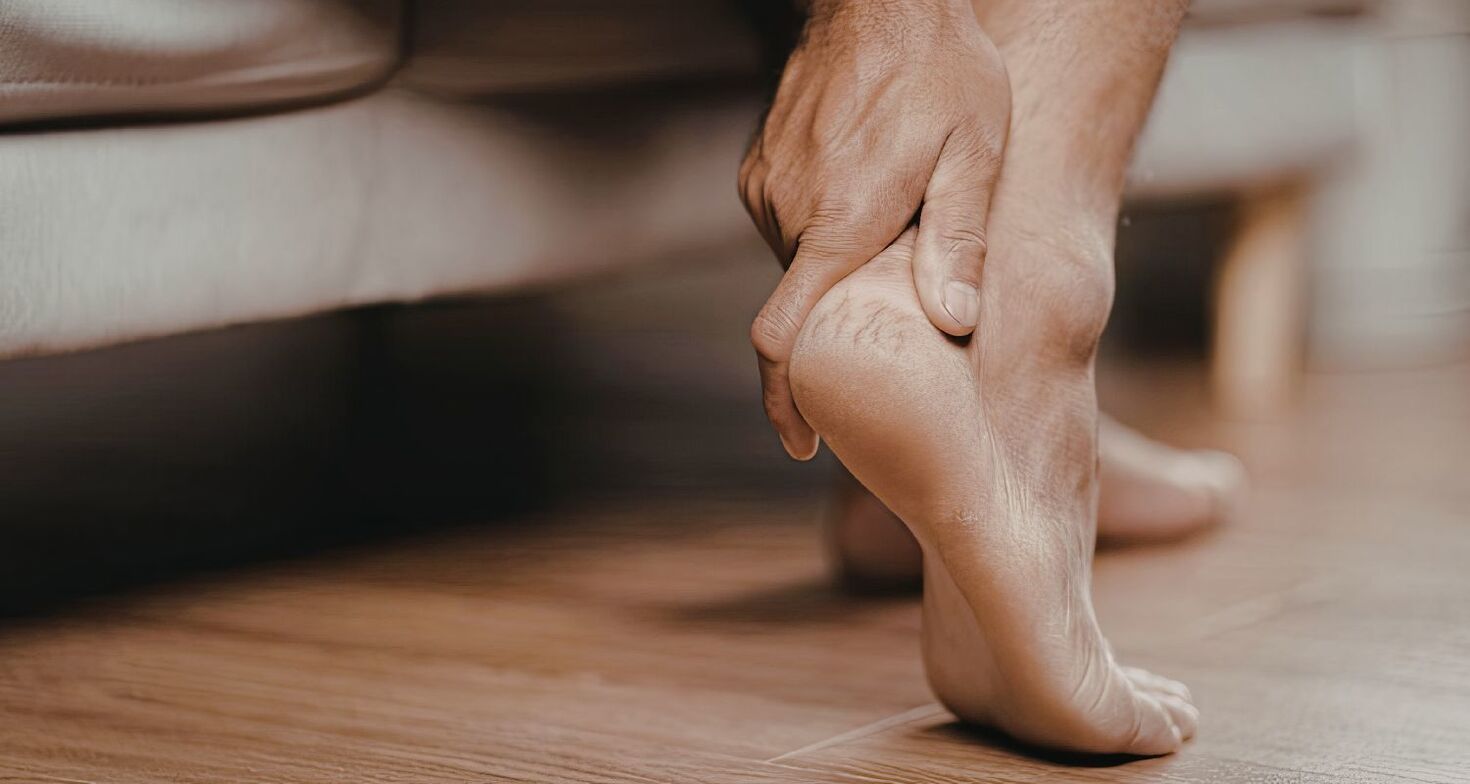
If you've been dealing with foot pain, fatigue, or discomfort that seems to worsen throughout the day, flat feet might be the culprit. Many people with flat feet—a condition where the arch of the foot collapses or never fully develops—find relief through properly fitted orthotics for flat feet. These specialized insoles provide the arch support and structural correction your feet need to function comfortably.
At our practice serving Walden, and Montgomery, we've helped countless patients understand their foot mechanics and find the right solutions for lasting comfort. Let's explore how orthotics can transform your daily experience.
What Are Flat Feet and Why Do They Cause Problems?
Flat feet occur when the arch along the inside of your foot flattens, allowing the entire sole to touch the ground when you stand. While some people with flat feet experience no issues, others deal with significant discomfort because of how this affects their gait and posture.
When your foot arch doesn't provide proper support, it creates a chain reaction throughout your body. Your ankles may roll inward (a condition called overpronation), which can strain your knees, hips, and lower back. This misalignment is why many people with flat feet experience pain that extends far beyond their feet themselves.
The connective tissue and bone structure in your feet are designed to work together as a sophisticated shock-absorption system. When that system isn't functioning optimally, every step you take can contribute to cumulative stress on your joints and muscles.
How Custom Orthotics for Flat Feet Provide Relief
Custom orthotics for flat feet work by recreating the arch support your feet need. Unlike generic shoe inserts you might find at a drugstore, custom orthotics are designed specifically for your unique foot structure and biomechanics.
When you wear properly fitted orthotic insoles, they help redistribute pressure across your foot more evenly. This reduces strain on specific areas that might otherwise bear too much weight. The result is often immediate relief from the burning, aching sensation many people with flat feet experience after standing or walking.
Our team takes precise measurements and assessments to ensure your orthotics address your specific needs. We look at how you walk, where you experience pain, and what activities are most important to you. This comprehensive approach means your orthotics will support not just your feet, but your overall musculoskeletal health.
Types of Support: From Insoles to Specialized Options
When exploring solutions for flat feet, you'll encounter several options. Insoles for flat feet range from over-the-counter varieties to fully customized devices, and understanding the differences helps you make an informed choice.
Over-the-counter arch support inserts can provide some relief for mild cases, especially if you're looking for a temporary solution or want to try arch support before investing in custom options. These typically cost less but offer a one-size-fits-most approach that may not address your specific biomechanical issues.
Best orthotics for flat feet are typically custom-made devices that conform to your exact foot shape and address your particular problems. The investment is higher, but so is the level of correction and comfort. These devices can last for years with proper care, making them a worthwhile long-term solution for many patients.
For people who overpronate significantly, specialized insoles may include additional features like medial posting—a wedge that helps control the inward rolling of your foot. These specialized inserts work to correct your gait pattern with each step.
Benefits Beyond Foot Pain Relief
While reducing foot discomfort is often the primary goal, the benefits of wearing proper orthotics extend throughout your entire body. When your feet have the support they need, your posture improves naturally. This can alleviate tension in your calves, reduce knee strain, and even help with lower back pain.
Many of our patients in the Walden area report feeling less fatigued at the end of the day once they start wearing orthotics. That's because their muscles aren't working overtime to compensate for poor foot mechanics. Instead, the orthotics provide the structural support needed, allowing muscles to function as intended.
Athletes and active individuals often notice improved performance when they address flat feet with appropriate support. Better alignment means more efficient movement patterns, which can translate to faster running times, reduced injury risk, and quicker recovery after workouts.
Signs You Might Benefit from Orthotics
How do you know if orthotics are right for you? Several indicators suggest that custom foot support could make a significant difference in your daily comfort and long-term health.
Persistent foot pain, especially in the arch area or heel, is one of the most obvious signs. If you notice that your feet ache after standing for even short periods, or if you experience burning sensations along the bottom of your feet, these symptoms often respond well to proper arch support.
Uneven shoe wear patterns tell an important story about your gait. Check the soles of your frequently worn shoes—if they break down much faster on the inside edge, this indicates overpronation that orthotics can help correct.
Pain in your knees, hips, or lower back that seems unrelated to any specific injury might actually stem from improper foot mechanics. The body compensates for flat feet in complex ways, and addressing the root cause at your feet can resolve seemingly unrelated discomfort elsewhere.
Getting Started with Orthotics at Our Practice
If you're considering orthotics for your flat feet, the process begins with a thorough evaluation. Our team examines your feet, watches how you walk, and discusses your symptoms and lifestyle needs. We may also look at your current footwear to ensure it's compatible with orthotic use.
The assessment includes checking for any related conditions that might be contributing to your discomfort. Flat feet can sometimes occur alongside other foot issues like plantar fasciitis or Achilles tendinitis, and a comprehensive treatment approach addresses all factors affecting your foot health.
Once we've gathered this information, we can recommend the best orthotic solution for you. For some patients, this means custom-molded devices that provide maximum support and correction. For others, high-quality prefabricated options with some customization may be perfectly adequate.
Combining Orthotics with Comprehensive Care
Orthotics work best as part of a comprehensive approach to foot and body health. At our office in we often combine orthotic therapy with other treatment modalities to address the root cause of your discomfort and help you achieve optimal function.
Chiropractic adjustments can complement orthotic use by ensuring your entire musculoskeletal system is properly aligned. When your spine, pelvis, and lower extremities are all working together correctly, you'll experience better results from your orthotics and more complete pain relief.
Rehabilitative exercises strengthen the muscles in your feet and lower legs, providing additional support for your arches. While orthotics offer external support, building internal strength helps your body maintain better mechanics even when you're not wearing them. Our team can guide you through specific exercises that complement your orthotic therapy.
What to Expect During the Adjustment Period
When you first start wearing orthotics, your feet and body need time to adapt to the new support. This adjustment period is completely normal and usually lasts one to two weeks.
You might notice some initial discomfort as your muscles and joints adapt to the corrected alignment. We typically recommend wearing your new orthotics for just a few hours each day at first, gradually increasing the duration as your body adjusts.
Some patients experience temporary soreness in areas that have been compensating for poor foot mechanics. This is actually a positive sign that your body is beginning to use muscles and joints more correctly. The discomfort should decrease steadily during the adjustment period.
Taking the Next Step Toward Comfort
Living with flat feet doesn't mean accepting chronic pain or limiting your activities. With the right orthotics for flat feet, you can enjoy improved comfort, better posture, and the freedom to stay active without worry.
Our team serving Walden, and Montgomery is here to help you find the solution that works best for your unique situation. We take the time to understand your needs, evaluate your foot mechanics thoroughly, and recommend treatments that address both your immediate symptoms and long-term musculoskeletal health.
Ready to experience the difference proper arch support can make? Contact our office today to schedule a consultation. We'll assess your feet, discuss your options, and create a personalized plan to help you move through your day with greater ease and comfort.
.jpg)